


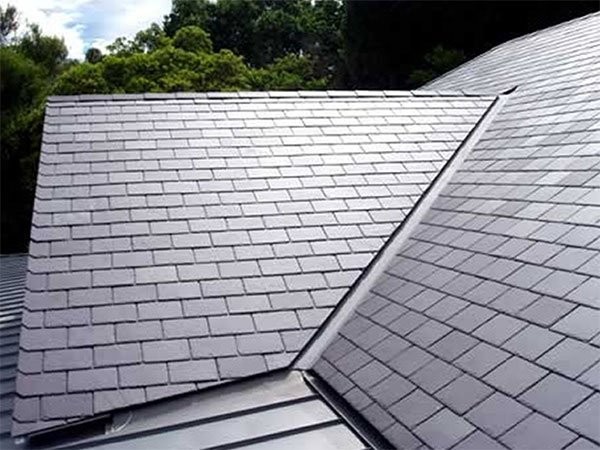
There’s always one tile. You spot it from the garden, a peg tile that’s slipped two courses down and is sitting on its nib at an angle. Then it rains for a week and there’s a stain on the bedroom ceiling the size of a dinner plate. Sound familiar? If you’re in Wadhurst, Tonbridge or the villages round Tunbridge Wells, that call is coming sooner or later.
Roofing Today reported on 8 October that BCIS now forecasts building costs rising 14% over the next five years, with energy and materials leading the climb. Contractors are soaking up some of that at the moment, because work is thin and tenders are tight, but a small repair left alone doesn’t stay small. A slipped tile becomes a rotten 25 x 50mm batten, and the batten becomes a rafter foot, and then you’re pricing a section strip rather than an afternoon.
What a proper repair looks like: lift the courses either side, check the batten gauge against the tile (a plain tile at 100mm gauge, say, not stretched to 110 to save a row), and replace any torn breather membrane, lapping it 150mm over the horizontal. Cracked soakers around the chimney go. Code 4 lead dressed properly into a cut chase and pointed, not smeared with mastic. At the verges, look for crumbling mortar and open joints, because a dry verge system with Marley or Redland units will outlast a wet one on the exposed ridge at Crowborough.
Now’s the sensible time. Autumn gales are coming, and a roof that’s been tightened up in October copes with November a lot better. Mastercraft also does high resolution drone roof inspections, which cuts out the guesswork before anyone sets up a tower.
Roofers in Kent cover Tunbridge Wells, Tonbridge, Sevenoaks, Westerham and across to Crowborough. If a tile’s gone on your roof, get in touch via https://roofersinkent.co.uk/ and have it looked at before the weather does it for you.